
One of the biggest concerns for patients with kidney failure and their families is what happens if dialysis doesn’t work? The thought that the treatment they have relied on for so long will no longer provide the desired results can cause a lot of anxiety and fear. This question often plagues the minds of patients and their loved ones: Is life without dialysis possible? Is there an alternative? Should I be prepared to change my treatment or should I just settle for supportive care?
Dialysis usually helps patients eliminate toxins from the body, maintain fluid balance, and live a relatively active and quality life. However, sometimes there are situations when, even with regular dialysis, the body does not respond properly and symptoms of the disease persist. In such situations, awareness, careful follow-up, and good decision-making are crucial.
In this article, we will take a comprehensive, step-by-step look at what causes dialysis failure, what the warning signs are, and what alternative treatment options are. We will also explain in detail the vital role of family, psychological support, and proper nutrition in improving the patient’s condition and increasing their quality of life. The goal is for patients and families to be fully informed and make the best decisions about their treatment and never feel alone.
How does dialysis help the body?
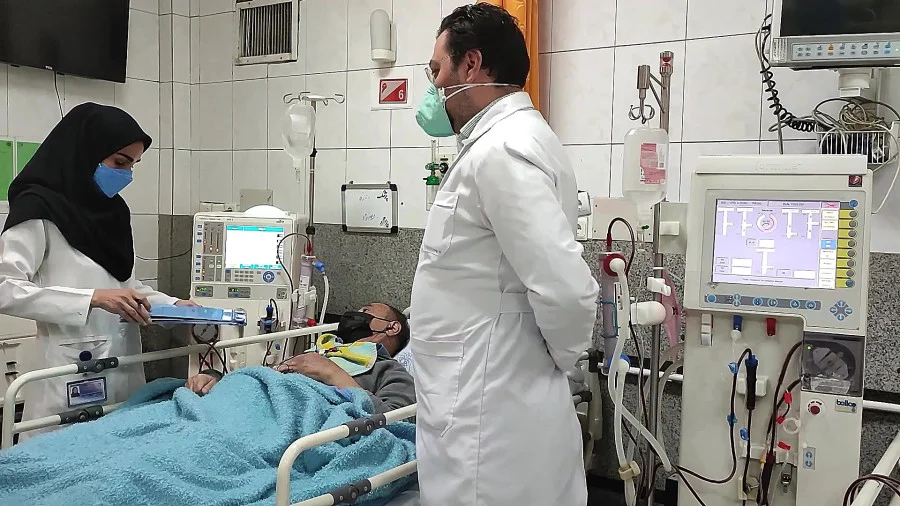
Dialysis, a vital treatment for patients with kidney failure, replaces the kidneys and protects the body from the accumulation of toxic and dangerous substances. Under normal conditions, the kidneys filter the blood every day, excrete toxins and waste products through urine, and maintain the balance of fluids and minerals such as sodium, potassium, and calcium. When this vital function is disrupted, toxins accumulate in the blood, the body’s fluid balance is disrupted, and the risk of serious complications such as edema, high blood pressure, heart disorders, and even multi-organ failure increases.
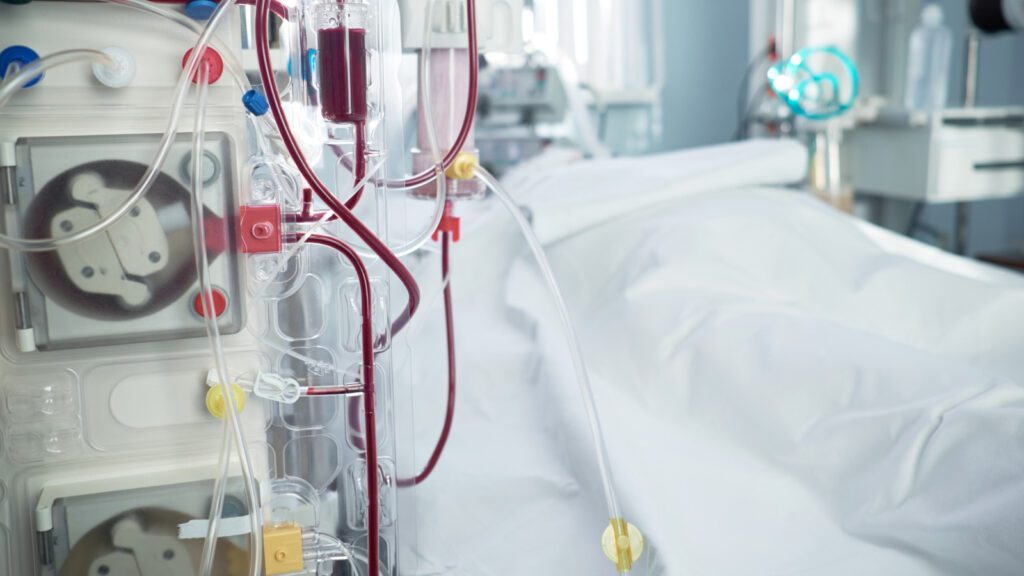
Dialysis uses special filters (hemodialysis) or the body’s peritoneal membrane (peritoneal dialysis) to purify the patient’s blood, remove waste products from the body, and maintain the balance of chemicals and body fluids. In this way, dialysis not only prolongs life, but also allows the patient to perform many of their daily activities with safety and a better quality of life. The importance of dialysis is that it artificially supports the body in situations where the kidneys are unable to perform vital functions and prevents dangerous complications.
What does “dialysis failure” mean?
Persistent symptoms of kidney failure
Increased blood urea and creatinine despite dialysis
Severe weakness, swelling, shortness of breath
Decreased quality of life
In these situations, the doctor will investigate the cause of the ineffectiveness of dialysis.

Common reasons why dialysis is not effective
Severely advanced kidney disease
Cardiovascular problems
Recurrent infections
Severe malnutrition
Non-adherence to treatment
Signs that dialysis is not enough
Severe fatigue
Shortness of breath
Severe swelling of the hands, feet, and abdomen
Decreased level of consciousness
Recurrent hypotension
Loss of appetite
Treatment options after dialysis fails
Changing dialysis type (hemodialysis ↔ peritoneal dialysis)
Increasing frequency or duration of dialysis
Considering kidney transplant
Palliative care
Does dialysis always last for the rest of your life?
Dialysis does not always mean continuing treatment for the rest of your life and depends on the type of kidney failure. In acute kidney failure, where damage occurs suddenly and in a short period of time, dialysis is usually temporary and can be stopped after kidney function improves. However, in chronic kidney failure, where damage is gradual and permanent, dialysis is often long-term and will continue until a kidney transplant is performed or the patient’s life ends. In these situations, dialysis plays a vital role in preserving life and preventing the accumulation of toxins in the body, and the patient can have an acceptable quality of life by following medical advice and family support.
The role of nutrition in increasing the effectiveness of dialysis
Salt restriction
Potassium and phosphorus control
Adequate protein
Fluid management
The role of psychology and morale in response to dialysis
The role of the patient’s psyche and spirit in the response to dialysis is very important and can have a direct impact on the effectiveness of the treatment and the quality of his life. Patients who are supported emotionally have more motivation and energy to follow dialysis sessions and follow medical recommendations. Family support, emotional companionship, listening to concerns and encouragement to continue treatment reduce stress and anxiety.
In addition, psychological counseling and participation in support groups can help the patient not feel alone and learn strategies for coping with the mental and physical stresses of the disease. Maintaining hope and a positive attitude towards life, even in difficult circumstances, helps patients to continue their treatment with more motivation and improve their quality of life.
The role of the family when dialysis is not working
Accompanying in treatment sessions
Emotional and spiritual support
Assistance in dieting
Reducing the patient’s psychological stress
Does the end of dialysis mean the end of life?
Ending dialysis does not mean the end of life, and there are various options to continue treatment and maintain quality of life. In some cases, changing the treatment method, such as changing the type of dialysis from hemodialysis to peritoneal dialysis or increasing the frequency of sessions, can improve body function and reduce symptoms.
Another option is a kidney transplant, which can be a permanent and effective alternative to dialysis and significantly improve the patient’s quality of life. Also, in situations where it is not possible to continue aggressive treatment, a focus on supportive treatment or Palliative Care helps the patient to continue their life with peace and better quality by reducing pain, controlling symptoms, and providing psychological and physical support. In this way, even in situations where dialysis is not responsive, patients can have a healthy and quality life path.
Conclusion
Failure to respond to dialysis does not mean the end of treatment. By changing the method, transplantation or supportive treatment, the patient’s quality of life can be maintained. Awareness, family support and regular medical follow-up play a key role. If you or a loved one needs dialysis, you do not need to worry about the costs. By providing free dialysis services, Daliz health stands by kidney patients so that the treatment path can be completed with more peace and confidence. To receive more information and learn about free dialysis services, contact Daliz Salamat and benefit from the support of a specialized group.