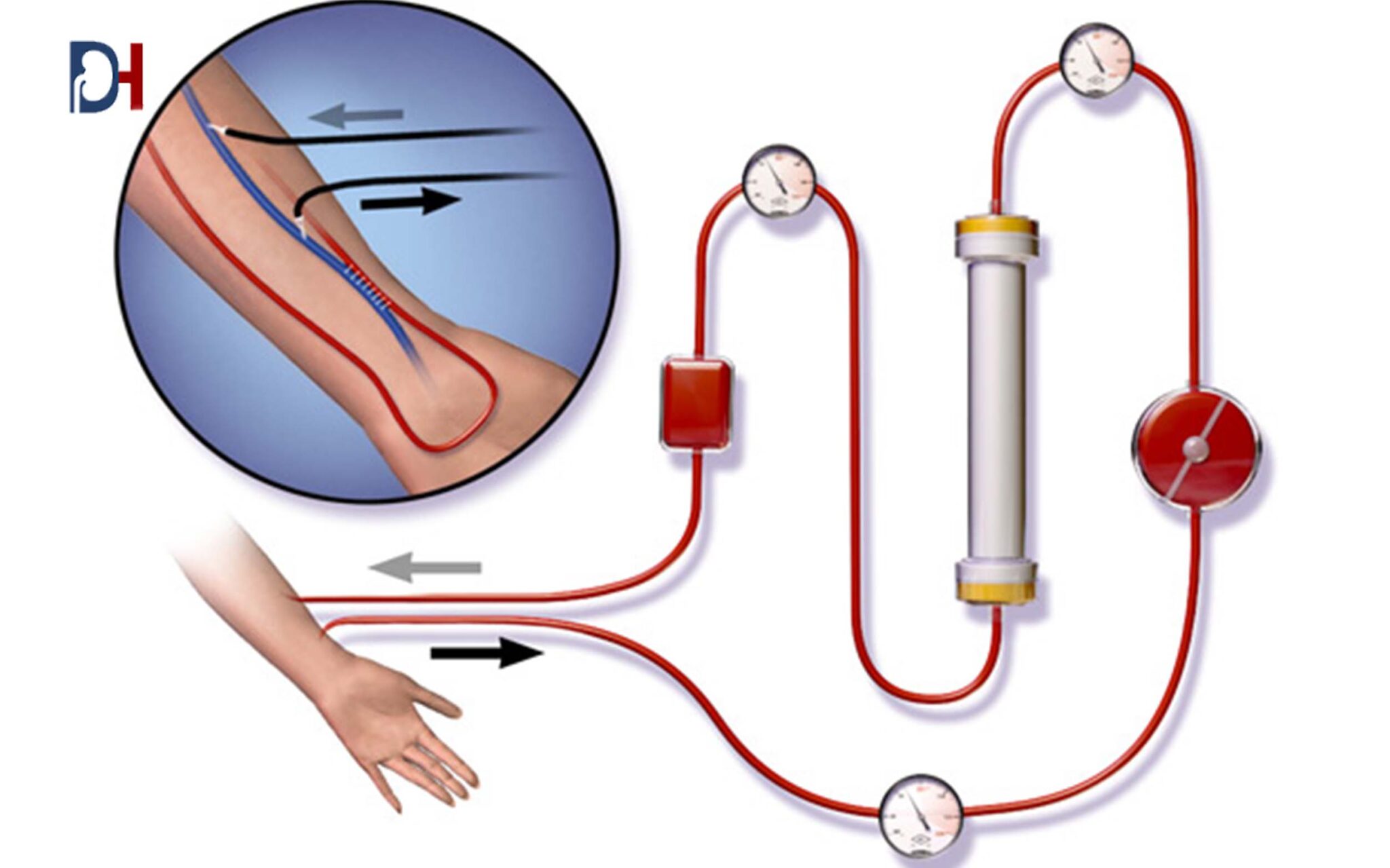

The effect of dialysis on the liver is one of the issues that occupies the minds of many patients with kidney failure and their families. Dialysis, as one of the most important treatments for kidney failure, plays a vital role in the continuation of the patient’s life, but the question arises as to what effect this treatment has on other organs of the body, especially the liver. The liver is one of the most vital organs of the body, which is responsible for tasks such as food metabolism, detoxification, protein production and regulation of blood chemical compositions.
Since both the kidneys and the liver play a key role in the process of purifying and maintaining the balance of waste products in the body, dysfunction in one can directly or indirectly affect the other. For this reason, examining the connection between dialysis and liver health is of great importance, and awareness of this issue can help patients to prevent possible complications and have a better quality of life by taking the necessary care.
In this article, we will fully examine:
How does dialysis affect the liver
Does dialysis cause liver damage?
What is the connection between kidney failure and liver disease?
How can the liver be protected during dialysis?
The connection between the kidney and the liver
Although the kidneys and liver have different functions in the body, they work closely together to cleanse and maintain the body’s internal balance. The liver is responsible for detoxifying drugs and chemicals, producing vital proteins such as albumin, regulating fats and blood sugar, and storing vitamins and minerals. In contrast, the kidneys are responsible for removing waste products from the blood, regulating water and electrolyte levels, and controlling blood pressure. When the kidneys fail and a patient requires dialysis, part of the burden of eliminating toxins indirectly falls on the liver.
This can put additional strain on the liver and makes it more important to monitor liver health in dialysis patients. For this reason, regular monitoring of liver function in these patients plays an important role in preventing complications and maintaining overall health.
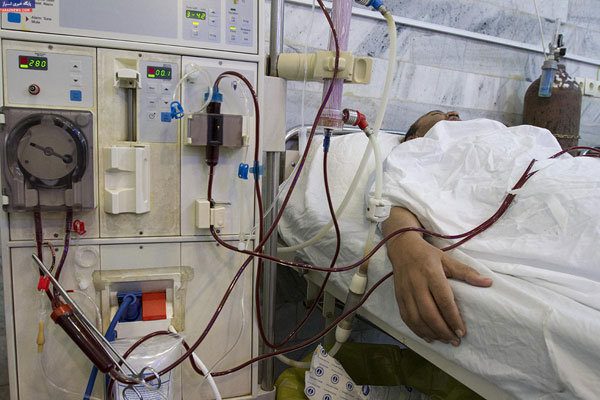
How does dialysis affect liver function?
Dialysis does not directly damage the liver, but it can indirectly affect its function. These effects can be positive or negative, depending on the patient’s condition, the type of dialysis, and the general condition of the body.
1. Reducing blood toxins and indirectly helping the liver
One of the positive effects of dialysis is that:
It removes some of the toxic substances that are normally excreted by the kidneys
It reduces metabolic pressure on the liver
It helps regulate the body’s chemical balance
As a result, in many patients, dialysis can prevent secondary damage to the liver.
2. The effect of dialysis on liver enzymes
In some dialysis patients, it is observed that:
The levels of liver enzymes (ALT, AST) change
Sometimes these values are reported to be lower than normal
In some cases, a slight increase is seen
These changes usually occur for the following reasons:
Blood thinning during dialysis
Changes in drug metabolism
Malnutrition or protein deficiency
Chronic inflammation of the body
In most cases, these changes are not dangerous but require regular monitoring.
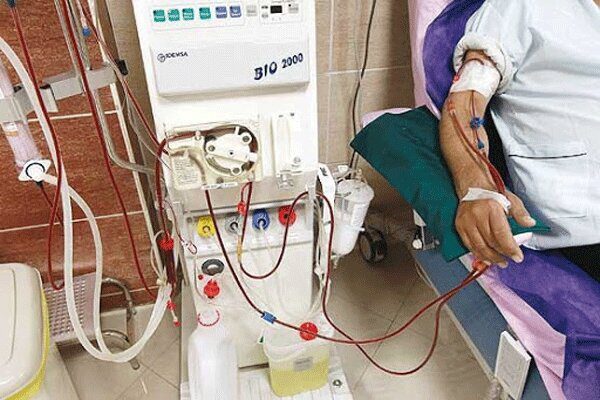
Does dialysis cause liver damage?
Dialysis does not directly damage the liver, but in some cases it can lead to liver problems. One of the most important factors is the long-term use of medications in dialysis patients. These patients usually take multiple medications to control blood pressure, anemia, electrolyte disorders, and other problems caused by kidney failure, many of which are metabolized in the liver.
Continuous use of these medications can, over time, cause drug-induced fatty liver, increase liver enzymes, and put metabolic pressure on the liver. For this reason, regular monitoring of liver function and use of medications under the supervision of a doctor is very important in dialysis patients.
In the past, one of the major concerns of dialysis patients was the risk of contracting viral hepatitis, especially hepatitis B and C, in dialysis centers, but today, with strict adherence to hygiene principles, regular screenings, and the use of completely sterile equipment, this risk has been greatly reduced.
However, periodic liver tests are still necessary, and hepatitis B vaccination is recommended for all dialysis patients as a preventive measure. On the other hand, malnutrition is a common problem in dialysis patients that can indirectly affect liver health. Dietary restrictions, reduced protein and vitamin intake, and decreased muscle mass may predispose to the development of nonalcoholic fatty liver disease and impaired liver function. For this reason, paying attention to a systematic diet under the supervision of a specialist plays an important role in maintaining the health of the liver in dialysis patients.
Differences in the effects of hemodialysis and peritoneal dialysis on the liver
In hemodialysis, due to the rapid purification of blood and the removal of a significant volume of waste products in a short period of time, there are more rapid changes in blood composition. These changes can cause fluctuations in liver enzymes in some patients, especially when the body has not yet adapted to the dialysis process. In addition, patients undergoing hemodialysis are usually more dependent on medications, many of which are metabolized in the liver, which can put more pressure on liver function. For this reason, regular monitoring of liver tests and careful adjustment of medications in hemodialysis patients is of great importance.
In peritoneal dialysis, the blood purification process is carried out gradually and gently, which is why there is usually less pressure on the liver and the body’s metabolic stability is better maintained. This method causes fewer fluctuations in liver enzymes in many patients and the body has more time to adapt to the treatment conditions.
However, in some patients, blood lipid levels may increase due to glucose absorption from the dialysis solution, which can affect liver health in the long term. For this reason, the choice of dialysis type should be made based on the patient’s general condition, liver condition, lifestyle, and the opinion of a specialist physician to achieve the best treatment results.
Symptoms that indicate that the liver is affected by dialysis
If you experience these symptoms, you should definitely consult a doctor:
Yellowing of the skin or eyes
Severe and persistent fatigue
Nausea and loss of appetite
Pain or heaviness in the right side of the abdomen
Darkening of the urine
Severe itching of the skin
These symptoms may be signs of liver dysfunction.
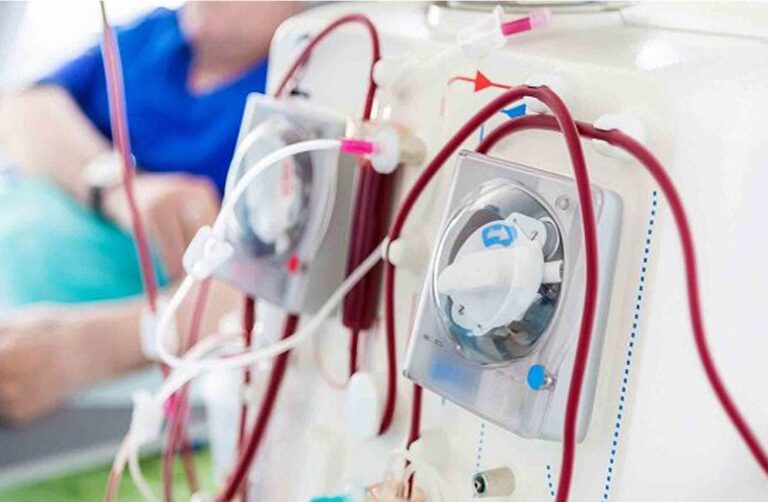
How can the liver be protected during dialysis?
Maintaining a proper diet
Consume quality, controlled protein
Reduce unhealthy fat intake
Avoid processed foods
Consume permitted fruits and vegetables
Regular use of medications as prescribed by the doctor
Self-medication and taking herbal remedies without consulting a doctor can be very dangerous for the liver.
Performing regular liver tests
Periodic check-ups:
ALT
AST
ALP
Bilirubin
helps detect problems early.
Hepatitis vaccination
All dialysis patients should receive the hepatitis B vaccine.
The role of lifestyle in liver health in dialysis patients
A healthy lifestyle plays a very important role in maintaining liver health, especially in dialysis patients. Getting enough and regular sleep helps the body perform its repair processes better, while reducing stress can reduce hormonal and metabolic pressures on the liver. Regular, light physical activity, appropriate to the patient’s condition, helps improve blood circulation and weight control, and prevents the accumulation of fat in the liver.
It is also very important to completely avoid smoking and alcohol, which are major causes of liver damage. Maintaining a balanced weight also plays an effective role in preventing fatty liver. All of these factors, along with regular dialysis and following medical recommendations, can help maintain liver health and improve patients’ quality of life.
Can dialysis patients have a liver transplant?
In some specific situations where the patient has severe kidney and liver failure simultaneously, advanced treatment options such as simultaneous kidney and liver transplantation or staged transplantation of each organ may be considered. These complex procedures require careful evaluation and thorough planning by a multidisciplinary team including surgeons, kidney and liver specialists, anesthesiologists, and the post-transplant care team. Decisions in this regard are made based on the patient’s clinical condition, age, general health, and other comorbidities to achieve the best treatment outcome with the lowest possible risk.

Conclusion
Dialysis alone does not cause liver damage, but it can affect liver function in certain situations. Awareness of this connection, regular testing, diet, proper medication, and ongoing medical support play a very important role in maintaining the health of the liver of dialysis patients. With proper care, many dialysis patients can live many years of quality and active lives without serious liver problems.
If you or a loved one needs dialysis, you don’t have to worry about the costs. By providing free dialysis services, the Dialyz hralth complex stands by kidney patients so that the treatment path can be completed with more peace and confidence. For more information and to learn about free dialysis services, contact Dialyz Salamat and benefit from the support of a specialized complex.