
What is dialysis and why is it done? This is a question that many patients, families, and even people who care about kidney health face. What is dialysis? In its simplest definition, it is a treatment method that artificially takes over the kidneys when they are no longer able to perform their vital functions. The kidneys play a fundamental role in filtering the blood, eliminating waste products, regulating body fluids, and balancing electrolytes, and when this function is impaired, dialysis comes into play as a lifesaver.
What is dialysis and when do we need it?
To better understand what dialysis is, we first need to understand what healthy kidneys do. The kidneys filter the blood every day, excrete toxins and waste products through urine, and maintain the balance of substances such as sodium, potassium, and calcium. When these organs fail for various reasons, waste products accumulate in the body. In these situations, the doctor may determine that the patient needs dialysis.
Dialysis is usually started when kidney function drops below 10 to 15 percent of normal or when severe symptoms such as nausea, fatigue, swelling, and electrolyte imbalances occur. So the answer to the question of what dialysis is is tied to the concept of replacing kidney function.
Kidney failure and its relationship with dialysis
Kidney failure can be acute or chronic. In acute failure, kidney function suddenly decreases and in some cases can be reversed with proper treatment. In chronic failure, kidney damage is gradual and permanent. In advanced stages of chronic kidney failure, dialysis or a kidney transplant is the only way to survive. For this reason, understanding what dialysis is is very important for kidney patients.

Types of dialysis
When we ask what dialysis is, we should also be familiar with its types. Dialysis is performed in two main ways: hemodialysis and peritoneal dialysis.
Hemodialysis
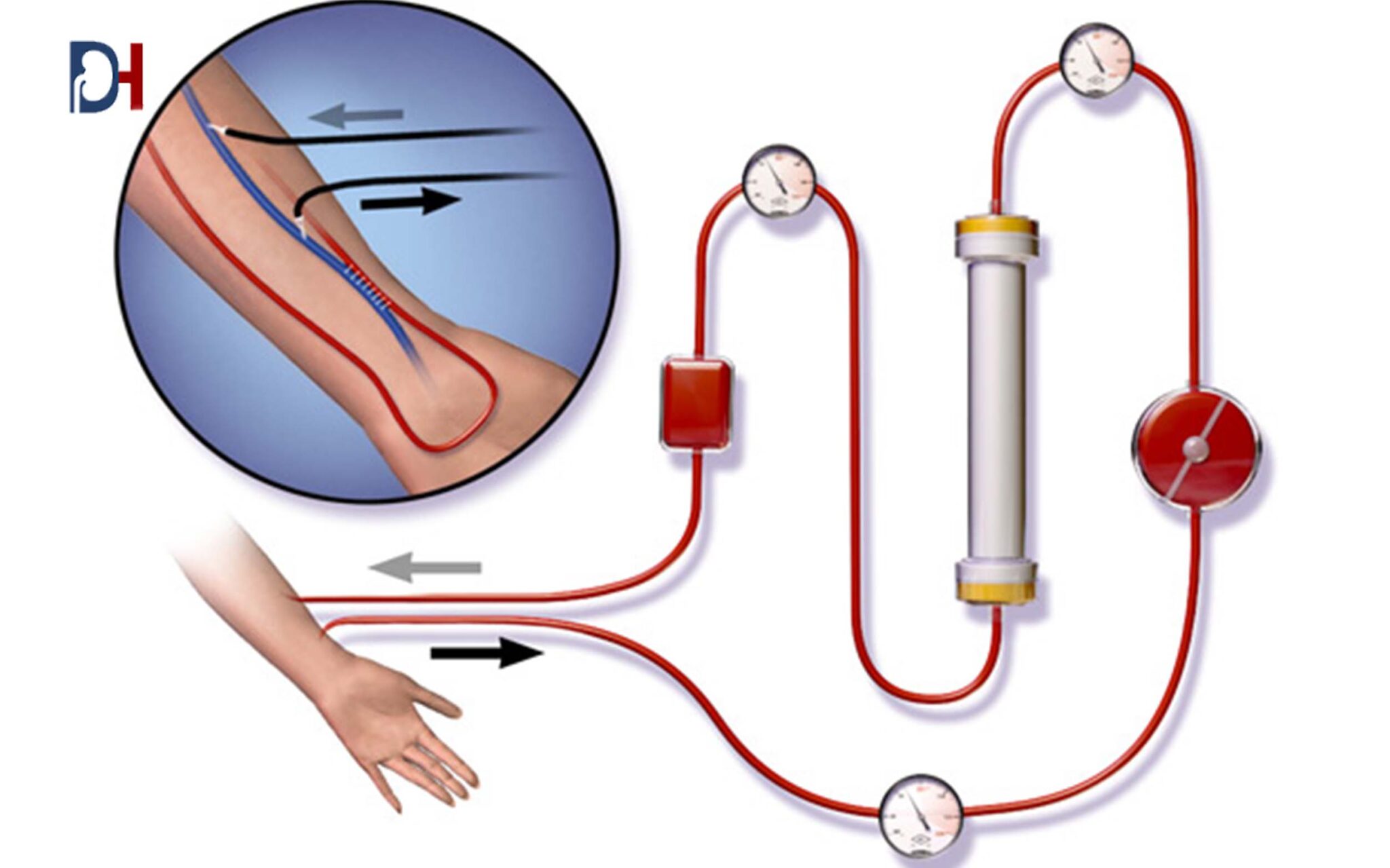
In hemodialysis, the patient’s blood is filtered through a machine called a dialyzer. This machine acts as an artificial kidney. Blood is removed from the body, passed through a filter, and then returned to the body. Hemodialysis is usually done in a medical center several times a week.
Peritoneal dialysis
In peritoneal dialysis, the peritoneal membrane inside the abdomen is used as a natural filter. A special fluid is put into the abdomen and waste products from the blood are transferred into this fluid. The fluid is then drained. This procedure can often be done at home with training for the patient. Understanding these procedures helps us better understand what dialysis is and which type is best for each patient.
How is dialysis done?
The dialysis process varies depending on the type, but the ultimate goal is the same in both methods: cleaning the blood. In hemodialysis, vascular access is created to transfer blood to the machine. In peritoneal dialysis, a catheter is placed in the abdomen. Your doctor will choose the best method based on your physical condition, lifestyle, and medical condition.
Benefits of dialysis
Although dialysis is not a complete replacement for healthy kidneys, it has many benefits. Dialysis helps reduce the symptoms of kidney failure, maintains fluid balance in the body, and prevents the buildup of toxins. Many patients can lead relatively active lives with regular dialysis. Here again, the importance of the question of what dialysis is and how it improves quality of life becomes clear.
Limitations and challenges of dialysis
Along with the benefits, dialysis also comes with challenges. These include fatigue, dietary restrictions, the need for careful planning, and the reliance on regular appointments. However, proper awareness and education can help patients cope better with these conditions.
Diet in dialysis patients
One of the important issues in answering what dialysis is is paying attention to nutrition. Dialysis patients must control their salt, potassium, and phosphorus intake. It is also essential to get enough protein to maintain the body’s energy. Working with a nutritionist plays an important role in the success of treatment.
The role of family and social support
Dialysis patients need emotional and spiritual support. By better understanding what dialysis is and how it affects the patient’s life, families can play an effective role in improving their condition. Social support increases motivation and adherence to treatment.
Dialysis and quality of life
A common concern among patients is whether they will be able to live a normal life after starting dialysis. The answer to this concern lies in understanding exactly what dialysis is and what to expect from it. With proper planning, many patients are able to continue their daily activities, work, and even travel.
Difference between dialysis and kidney transplant
Some patients wonder what the difference is between dialysis and a kidney transplant. A kidney transplant can be a more permanent alternative, but not all patients are eligible for it. Dialysis is often a bridge to a transplant.
Dialysis in children and the elderly
Dialysis is not limited to a specific age group. Children and the elderly may also need dialysis. The treatment method and plan are more carefully tailored for each age group to minimize complications. Understanding this is part of the comprehensive answer to the question of what dialysis is.

conclusion
Finally, if we want to briefly explain what dialysis is, we should consider it a vital method to replace the function of failing kidneys. Dialysis helps patients to continue their lives despite kidney failure. Awareness, education, and active participation of the patient and family play a key role in the success of this treatment. Understanding exactly what dialysis is and why it is performed is the first step to better accepting and managing this treatment path.
If you or a loved one needs dialysis, you don’t have to worry about the costs. By providing free dialysis services, the Dialyz health complex stands by kidney patients so that the treatment path can be completed with more peace and confidence. To receive more information and learn about free dialysis services, contact Dialyz Salamat and benefit from the support of a specialized complex.