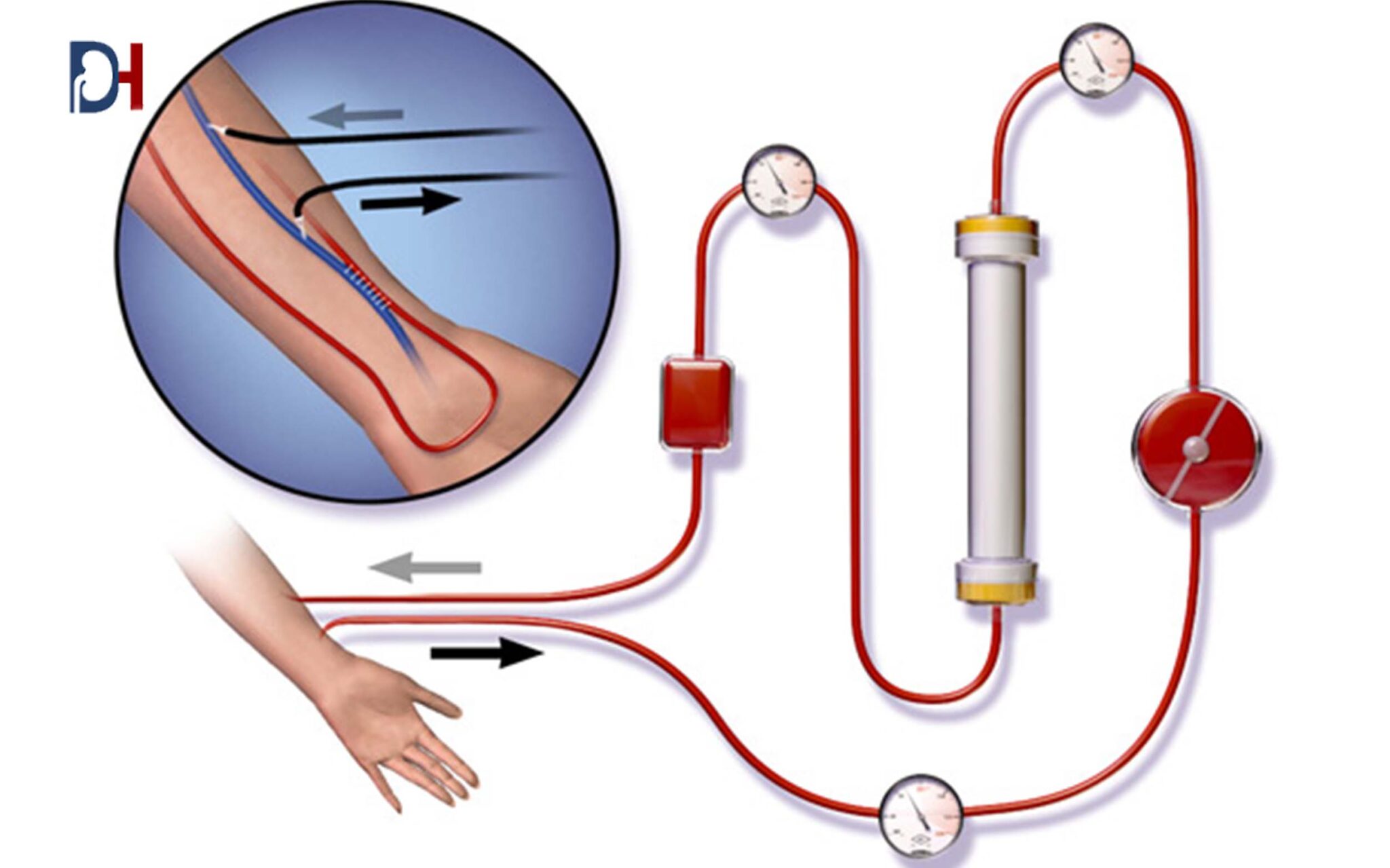

The kidneys are one of the most vital organs in the body, responsible for filtering blood, eliminating waste products, regulating fluid levels, controlling blood pressure, and balancing electrolytes. Any disruption in kidney function can gradually cause toxins to accumulate in the body and endanger the general health of the person. When the kidneys cannot perform these functions properly, the body enters a stage where it needs medical help to continue living. At this stage, dialysis comes into play as an alternative method to perform the functions of the kidneys.
What happens when the kidneys fail?
Kidney failure usually occurs gradually, and in many cases, the patient does not notice the problem in the early stages. As the disease progresses, toxic substances such as urea and creatinine accumulate in the blood, and the body’s fluid balance is disrupted.
In this condition, the following symptoms may appear:
Swelling of the hands, feet, and face
Feeling constantly tired
Nausea and loss of appetite
Shortness of breath
Increased blood pressure
Decreased or changed urine volume
If this condition continues, the kidneys are no longer able to continue working and dialysis is required.
Signs that your kidneys are in danger
Many patients in the early stages of kidney disease have mild symptoms that are not taken seriously, including:
Early fatigue
Diminished concentration
Insomnia
Change in urine color
Mild swelling of the legs
Diagnosis at this stage can prevent dialysis.

Advanced symptoms that warn of dialysis initiation
As the disease progresses, symptoms become more severe:
A sharp increase in creatinine
Persistent nausea and vomiting
Severe itching of the skin
A severe decrease in appetite
Shortness of breath
Chest pain
Irregular heartbeat
At this point, the doctor usually begins to consider starting dialysis.
Physician’s decision point to start dialysis
Dialysis is not based on just one test number. Your doctor will look at a number of factors, including:
GFR (renal filtration rate)
urea and creatinine levels
Severity of clinical symptoms
Heart and lung function
Age and general condition of the patient
Response to drug treatments
Dialysis is usually necessary when kidney function drops below 10 to 15 percent and severe symptoms appear.
Can the start of dialysis be postponed?
In many cases, yes. If the disease is detected in the early stages, the progression of the disease can be slowed by taking the following measures:
The role of lifestyle
Reduce salt intake
Quit smoking
Regular physical activity
Weight control
The role of medication and diet
Regular medication intake
Control blood pressure and sugar
Reduce protein intake at certain stages
Limit phosphorus and potassium
The role of regular medical follow-up
Periodic tests and regular doctor visits can prevent you from reaching the dialysis stage too quickly.
Is dialysis always permanent?
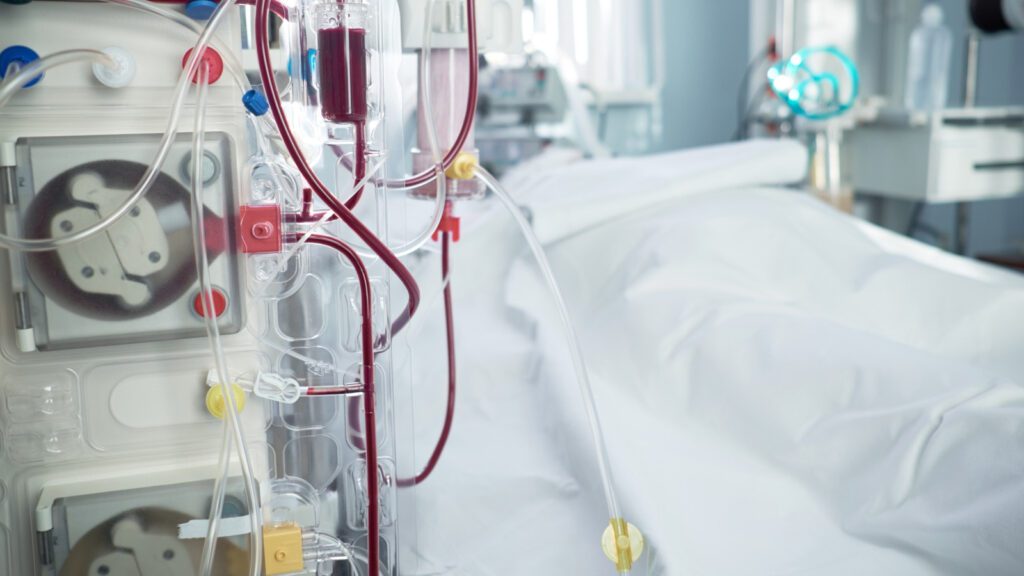
No. Dialysis does not always mean permanent treatment. In acute kidney failure, dialysis may be temporary and stopped after kidney function improves. But in advanced chronic kidney failure, dialysis is usually long-term and continues until a kidney transplant.
How is the decision between dialysis and transplantation made?
The choice between dialysis and transplantation depends on several factors:
The patient’s age
General condition
Presence of underlying diseases
Possibility of receiving a kidney transplant
Opinion of a specialist
In many cases, dialysis is used as a bridge therapy until transplantation.
Life changes after starting dialysis
Physical changes
Need for a regular treatment plan
Limited fluid intake
Fatigue after dialysis sessions
Psychological changes
Anxiety
Stress
Worrying about the future
Lifestyle changes
Setting a daily schedule
Following a special diet
Adherence to treatment sessions
With proper education and support, many patients adapt well to this condition.
Common mistakes patients make before starting dialysis
Ignoring early symptoms
Stopping medication on your own
Seeking a doctor too late
Consuming too much salt and fluids
Refusing to follow medical advice
These mistakes can accelerate the course of the disease.
The role of the family in the success of dialysis treatment
The role of the family in the success of dialysis treatment is very prominent and decisive, because the emotional and practical support of those around them can have a direct impact on the patient’s recovery process and quality of life. Accompanying the patient during dialysis sessions, creating a calm and stress-free atmosphere at home, observing nutritional principles appropriate to the patient’s condition, and encouraging him to adhere to the treatment plan are all factors that help increase morale and reduce psychological stress. When the patient feels that his family is with him and his condition is understood, he will be more motivated to continue treatment, and the results of dialysis will also be more effective.

How can the quality of life of a dialysis patient be increased?
Adherence to the treatment plan
Proper nutrition
Appropriate physical activity
Psychological support
Continuous communication with the treatment team
Having a positive attitude towards life
All these factors allow the patient to have an acceptable life even with dialysis.
Conclusion
Dialysis begins when the kidneys are no longer able to perform their vital functions and continuing life without therapeutic intervention is not possible. Early diagnosis, awareness of warning signs, and regular medical follow-up can delay the start of dialysis or manage it better. Ultimately, dialysis is not the end of the road; it is a way to continue living with a better quality of life, provided that it is accompanied by awareness, discipline, and appropriate support.
If you or a loved one needs dialysis, you don’t have to worry about the costs. By providing free dialysis services, Daliz health stands by kidney patients so that the treatment path can be completed with more peace and confidence. For more information and to learn about free dialysis services, contact Daliz Salamat and benefit from the support of a specialized group.